
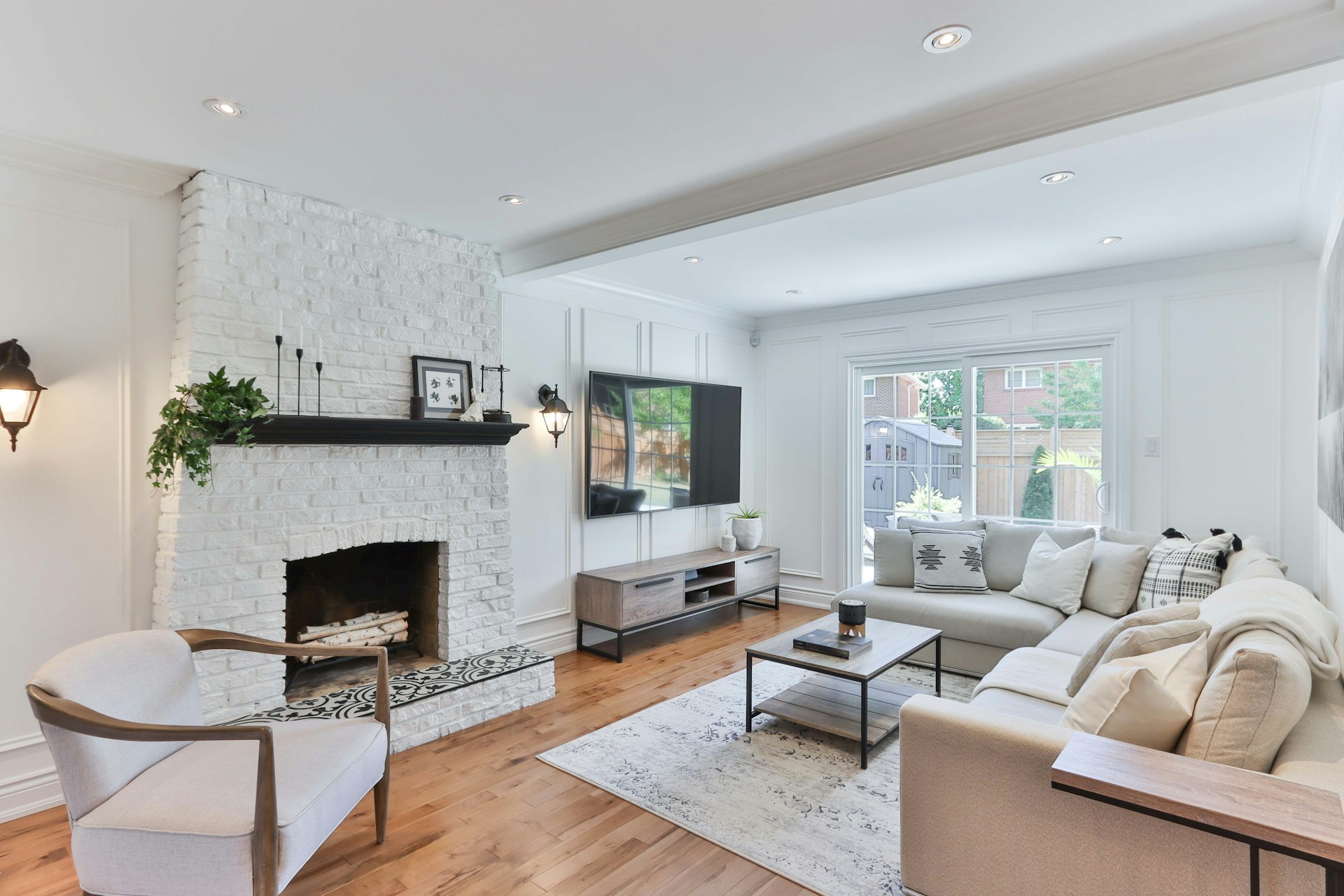
Modern homes are expected to support far more than rest, making quiet spaces increasingly valuable in everyday life. As people work remotely, study, relax, and manage busy schedules from home, areas that offer calm and reduced distractions have become an important part of residential planning. Insights from hausbauhelden.de/news/gesundes-raumklima-von-grund-auf-die-baustoff-entscheidung-fuer-ihr-traumhaus/ reflect the growing focus on creating healthier and more comfortable living environments through thoughtful design choices. Room placement, building materials, and interior layouts can all contribute to a more peaceful atmosphere without relying solely on specialized solutions. Exploring these factors reveals why quiet spaces are becoming an essential feature of contemporary residential design.
How Modern Lifestyles Have Increased the Need for Quiet
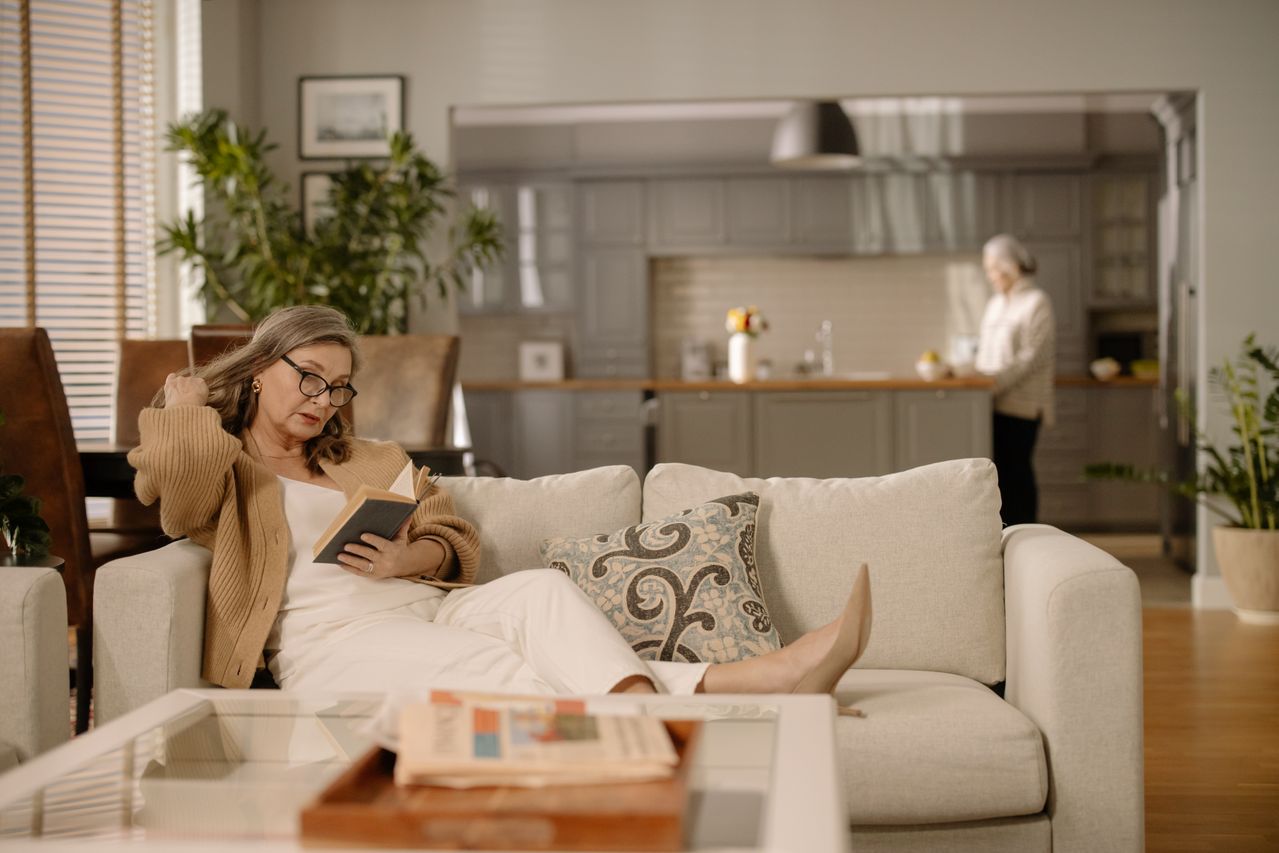
Contemporary households often experience constant activity from work responsibilities, digital communication, entertainment, and family routines. These overlapping demands can make it difficult to find moments of uninterrupted calm within the home. Residential design has responded by recognizing the value of quieter areas where occupants can step away from everyday distractions. Whether used for reading, studying, or simply resting, these spaces help balance the more active parts of the home and contribute to a more comfortable living environment.
The Role of Room Placement in Creating Calm
The location of a room within a floor plan can significantly influence how quiet it feels. Spaces positioned away from kitchens, living rooms, entrances, and other busy areas are often less exposed to movement and household noise. Transitional areas such as hallways or staircases can also help separate active and quiet zones. By carefully organizing …