
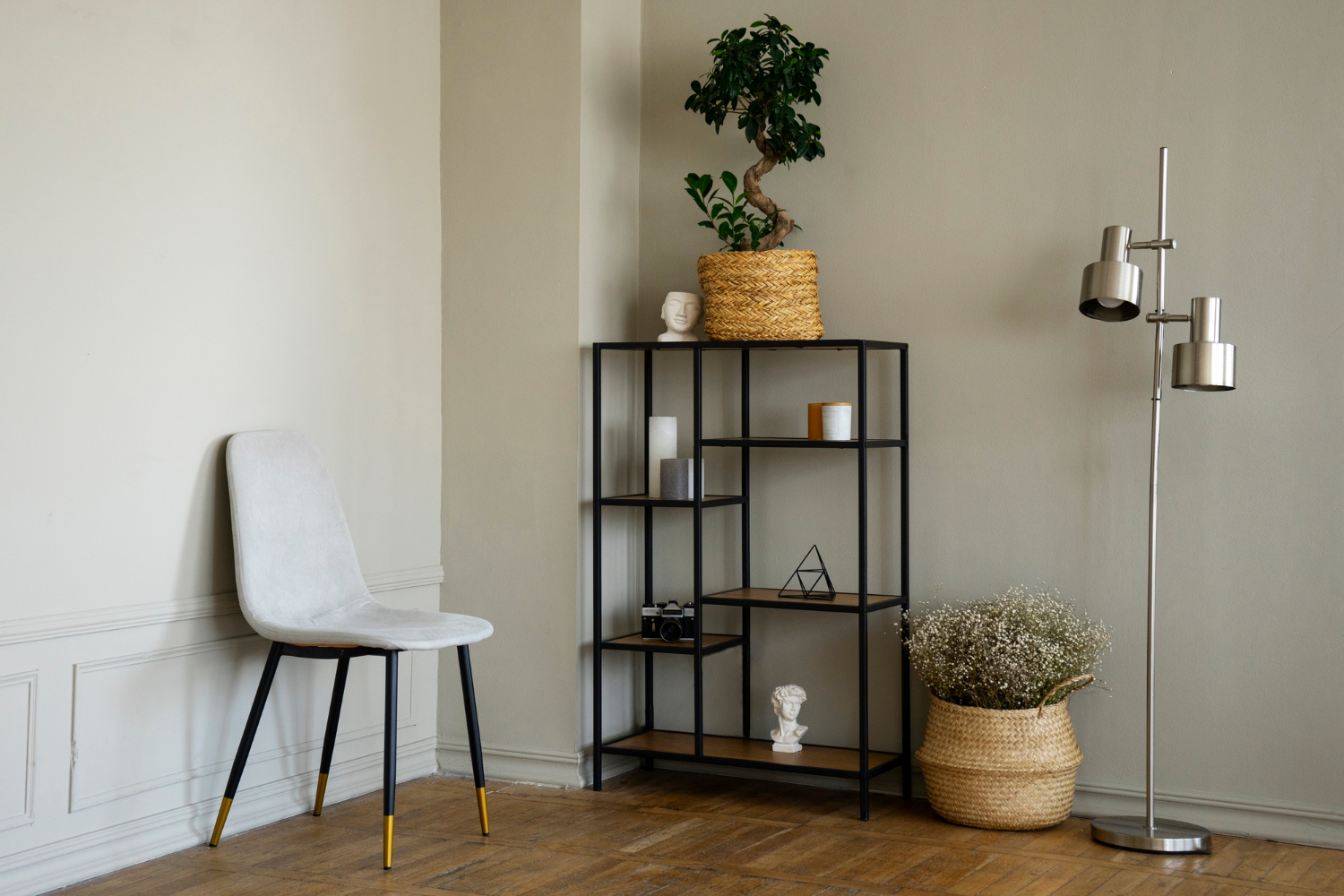
A room’s corners are often treated as leftover spaces, yet they can quietly shape how an interior feels and functions. Their position creates opportunities for visual focus, storage, seating, lighting, or architectural detail that might be overlooked in a conventional layout. Perspectives on adapting existing homes, including those explored by https://www.talu.de/sanieren-statt-neubau/, show how thoughtful design can make better use of spaces that already exist. Corners can also influence how furniture is arranged and how people move through a room, giving them a greater role than their limited floor area suggests. Exploring their potential reveals why these overlooked edges can become some of the most distinctive and engaging parts of an interior.
How Corners Create Natural Focal Points
Corners naturally attract attention because they form a meeting point between two surfaces. This geometry can provide a clear setting for features such as shelving, artwork, fireplaces, plants, or seating. Unlike an uninterrupted wall, a corner creates a change in direction that gives nearby objects greater visual definition. The surrounding walls can also frame an object from multiple angles, making the area feel intentional. This makes corners useful locations for creating focal points without requiring major changes to the overall structure of a room.
Why Corners Can Feel More Intimate
The enclosed quality of a corner can produce a different atmosphere from the center of a room. Two intersecting walls provide a sense of protection that can make the area feel comfortable and contained. This quality can be particularly noticeable when a chair, desk, or small seating arrangement occupies the space. While the rest of a room may encourage movement and interaction, a corner can create a quieter sense of retreat. The psychological effect comes partly from the surrounding boundaries and the reduced exposure compared with more open areas.
The Role of Light in Shaping Corners
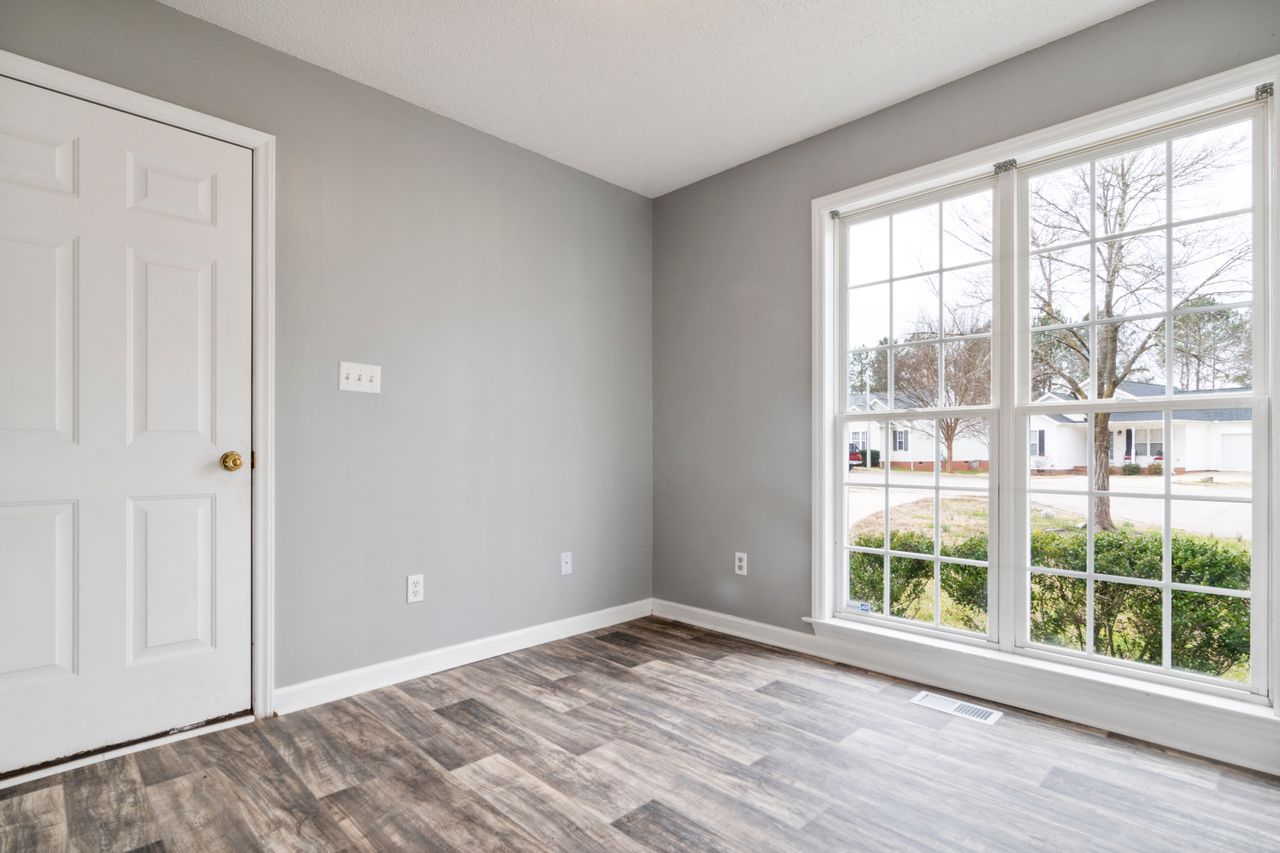
Corners can become visually interesting when natural or artificial light interacts with their changing surfaces. Light entering through a nearby window may illuminate one wall while leaving the other slightly darker, creating contrast and depth. Throughout the day, these variations can change the appearance of the corner as shadows move across its surfaces. Artificial lighting can produce similar effects by highlighting artwork, shelving, textures, or architectural details. The meeting of two surfaces therefore gives light more opportunities to create visual variation than a flat wall alone.
How Corners Support Functional Design
A corner can also provide practical value because its position naturally defines a contained area. Desks, reading chairs, storage units, display shelves, and other features can fit into these spaces without interrupting the central circulation of a room. In smaller interiors, corners can become particularly important because they offer opportunities to use areas that might otherwise remain empty. Their usefulness comes from the way two walls establish a boundary, allowing furniture or functions to occupy the space while maintaining clearer movement through the rest of the room.
Interior corners can become some of the most interesting parts of a room because they combine structure, light, function, and visual framing in one concentrated area. Their enclosed geometry can create intimacy, while their position allows furniture, lighting, materials, and architectural details to interact in distinctive ways. Rather than being leftover spaces, corners can influence how a room is experienced and organized. Their importance demonstrates that interesting interiors are not always created through large features. Sometimes, the most compelling qualities emerge from the small spaces where different architectural elements meet.