
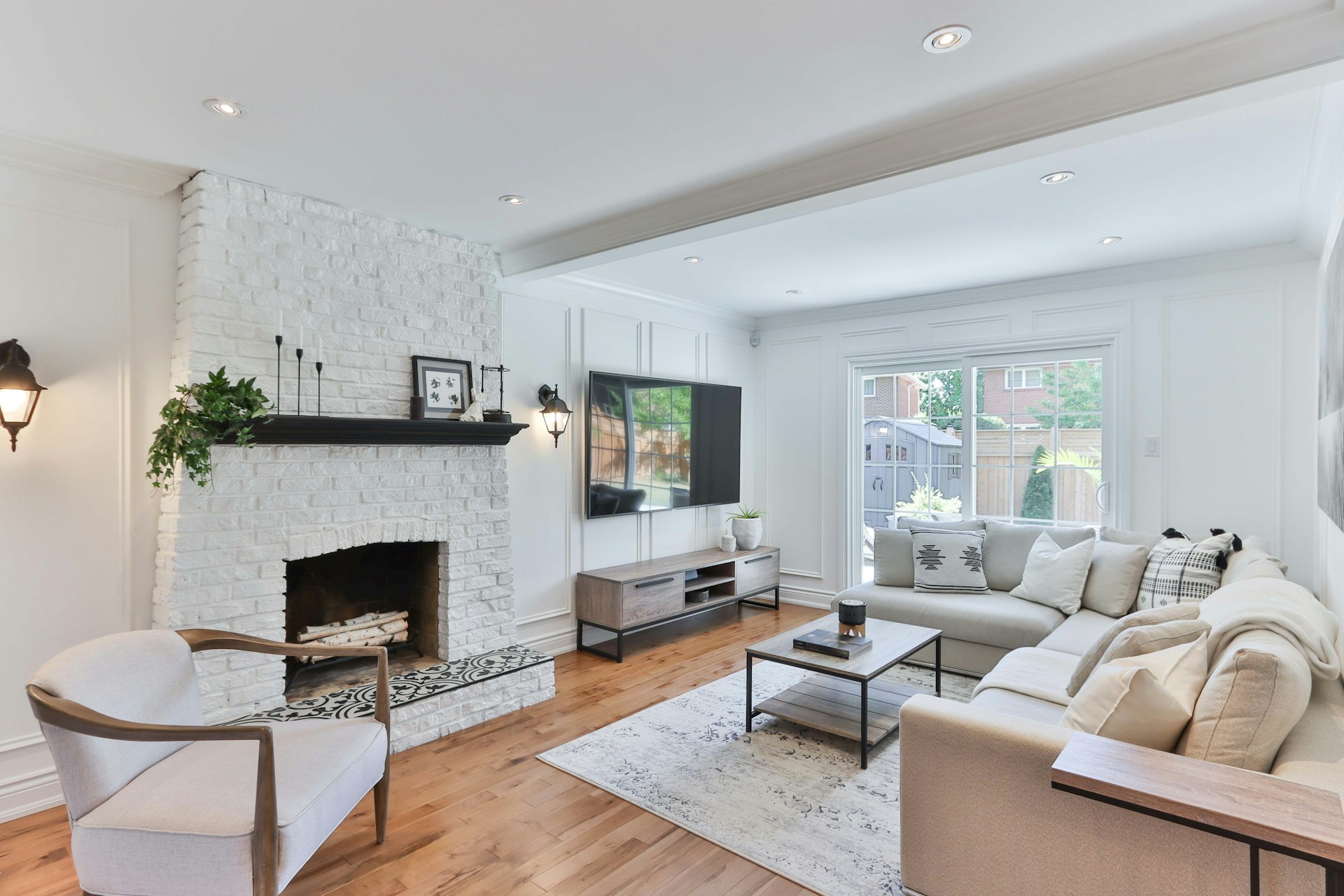
Modern homes are expected to support far more than rest, making quiet spaces increasingly valuable in everyday life. As people work remotely, study, relax, and manage busy schedules from home, areas that offer calm and reduced distractions have become an important part of residential planning. Insights from hausbauhelden.de/news/gesundes-raumklima-von-grund-auf-die-baustoff-entscheidung-fuer-ihr-traumhaus/ reflect the growing focus on creating healthier and more comfortable living environments through thoughtful design choices. Room placement, building materials, and interior layouts can all contribute to a more peaceful atmosphere without relying solely on specialized solutions. Exploring these factors reveals why quiet spaces are becoming an essential feature of contemporary residential design.
How Modern Lifestyles Have Increased the Need for Quiet
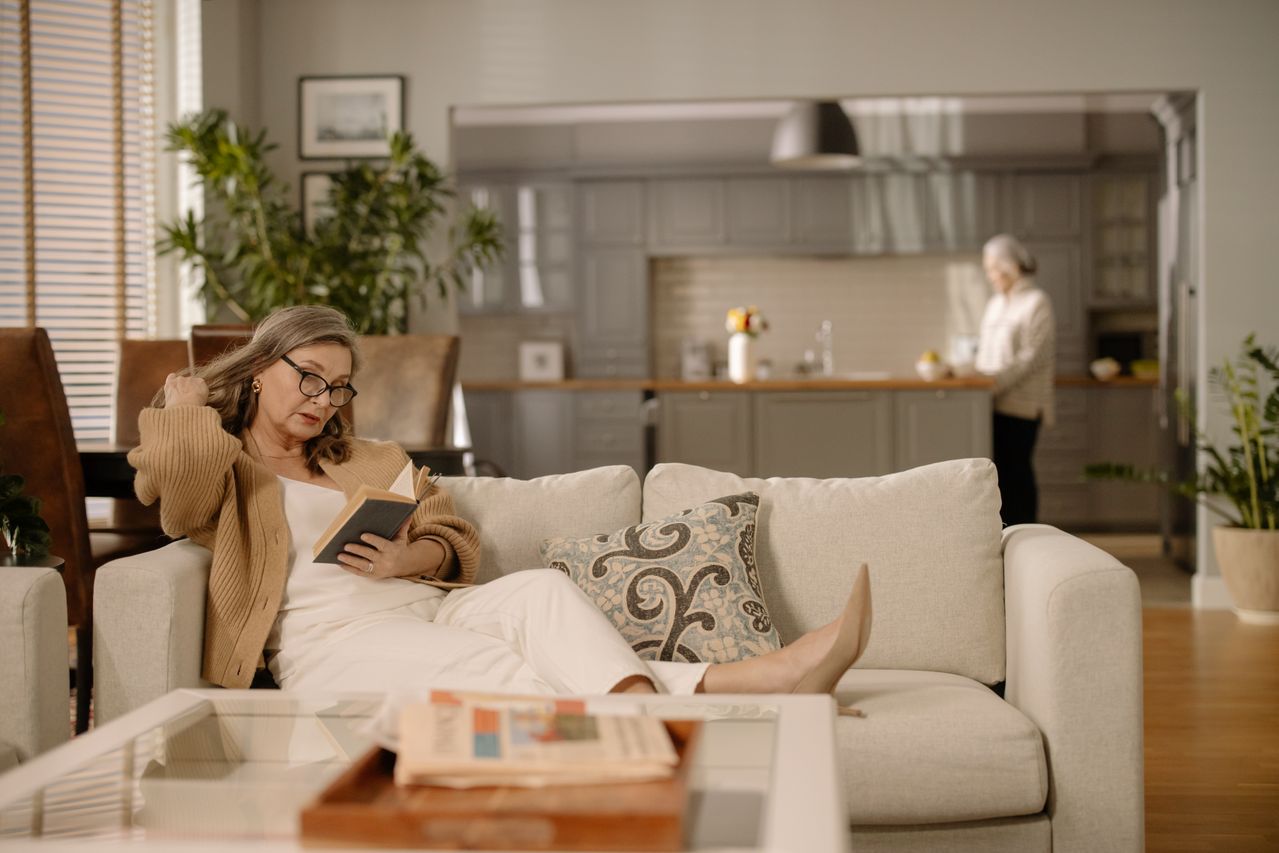
Contemporary households often experience constant activity from work responsibilities, digital communication, entertainment, and family routines. These overlapping demands can make it difficult to find moments of uninterrupted calm within the home. Residential design has responded by recognizing the value of quieter areas where occupants can step away from everyday distractions. Whether used for reading, studying, or simply resting, these spaces help balance the more active parts of the home and contribute to a more comfortable living environment.
The Role of Room Placement in Creating Calm
The location of a room within a floor plan can significantly influence how quiet it feels. Spaces positioned away from kitchens, living rooms, entrances, and other busy areas are often less exposed to movement and household noise. Transitional areas such as hallways or staircases can also help separate active and quiet zones. By carefully organizing the relationship between different rooms, residential layouts can create areas that naturally feel more peaceful without relying on specialized construction techniques.
How Design Elements Influence the Feeling of Quiet
The atmosphere of a quiet space depends on more than the absence of noise. Natural light, room proportions, materials, and furnishings all contribute to how calm an environment feels. Soft textures, balanced proportions, and thoughtful use of daylight can create interiors that encourage relaxation and concentration. Furniture placement and the visual organization of a room also influence whether the space feels orderly or distracting. These design elements work together to shape an environment that supports a quieter experience in both physical and visual terms.
Why Flexible Homes Benefit From Quiet Areas
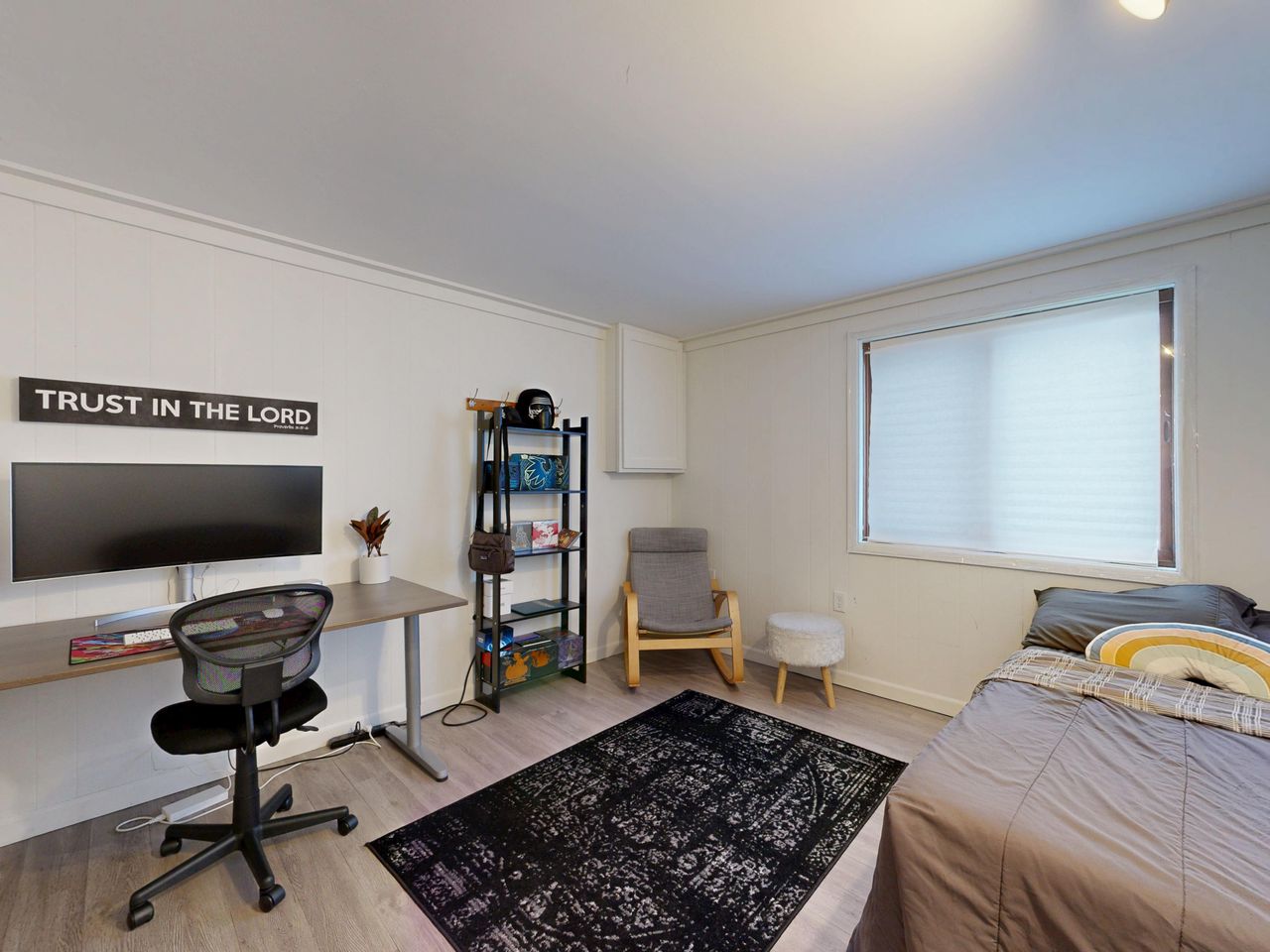
As homes increasingly accommodate multiple functions, quiet spaces have become more valuable. A room used for remote work during the day may later serve as a reading area or place for personal relaxation. Bedrooms may also serve as temporary spaces for study or other focused activities when other parts of the home are busy. This flexibility allows quiet areas to support different needs without being limited to a single purpose. Their adaptability reflects the growing expectation that homes should respond to changing routines throughout the day.
Quiet spaces are becoming more important in residential design because modern homes must support a wider variety of activities and lifestyles than in the past. Careful room placement, balanced design elements, and flexible layouts all contribute to creating areas that encourage calm and concentration. These spaces provide a valuable contrast to the busier parts of the home and help accommodate changing daily routines. As residential design continues to evolve, quiet environments are likely to remain an essential feature of homes that prioritize comfort, functionality, and long-term adaptability.