
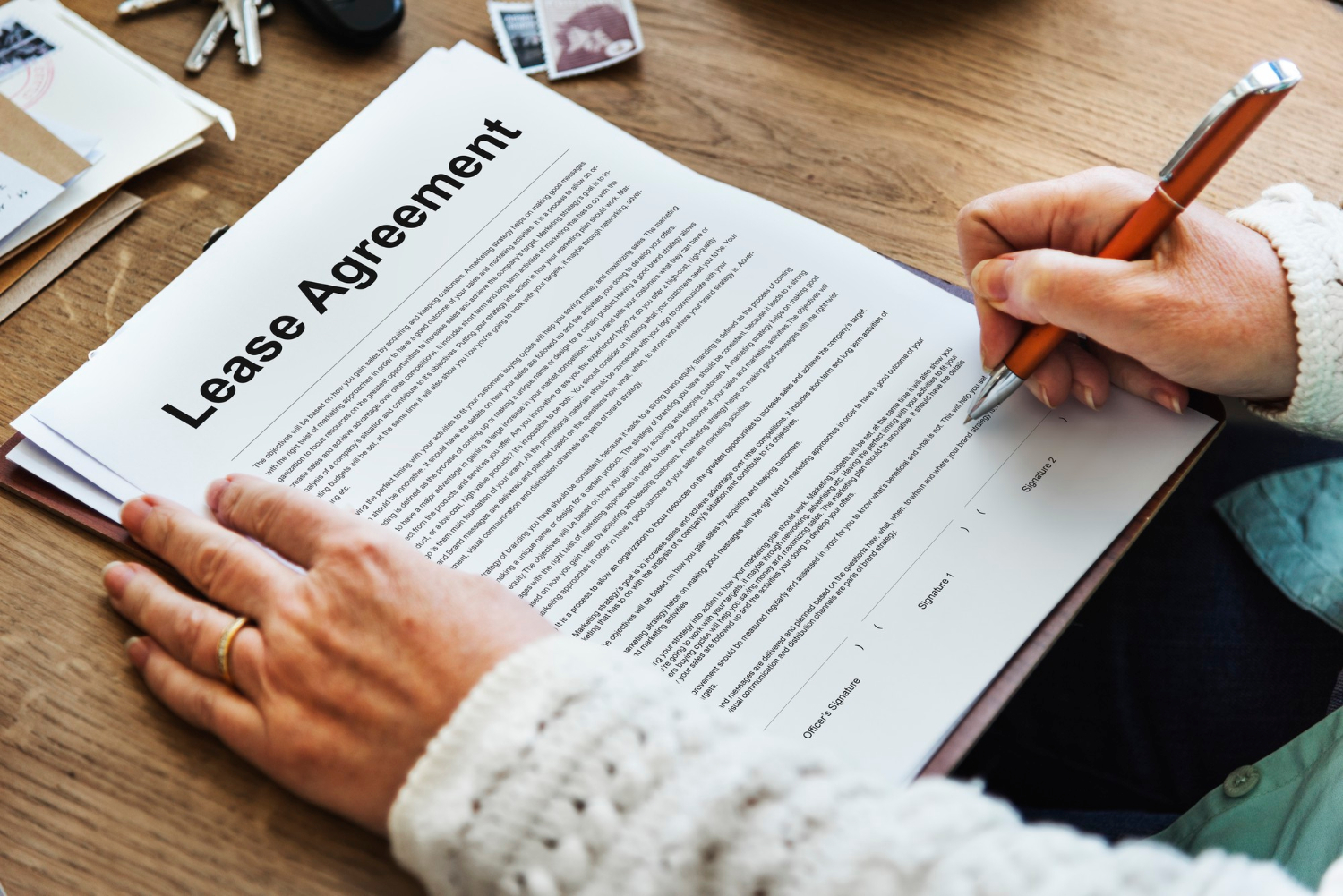
Signing a commercial lease agreement can feel like a milestone moment for any business owner. The excitement of securing new premises—whether retail, industrial, or commercial offices in Bryanston—often overshadows the fine print buried inside the contract. Yet that fine print carries financial consequences that may linger for years. A lease is not just a permission slip to occupy space; it is a binding commitment with legal and monetary weight. Before you append your signature, pause. Examine the clauses, question assumptions, and measure long-term impact. The right lease supports growth and stability. The wrong one can drain capital and restrict flexibility. Preparation, insight, and professional guidance can transform this critical decision into a strategic advantage.
Lease Duration and Renewal Terms
The length of your lease determines how agile your business can be. A long-term lease may provide rental stability, but it can also limit flexibility if your company expands or relocates. Shorter leases offer adaptability, yet landlords sometimes attach higher rates to compensate for perceived risk. Pay close attention to renewal options. Are renewal terms clearly defined? Is the rental increase predetermined or subject to market review? Ambiguous language may leave room for sudden price adjustments. Also, examine exit clauses. If circumstances change—economic shifts, restructuring, or growth beyond capacity—what penalties apply? A carefully reviewed duration clause protects you from being locked into a space that no longer serves your operations.
Rental Escalations and Hidden Costs

The base rental figure rarely reflects the total financial commitment. Escalation clauses often increase rent …